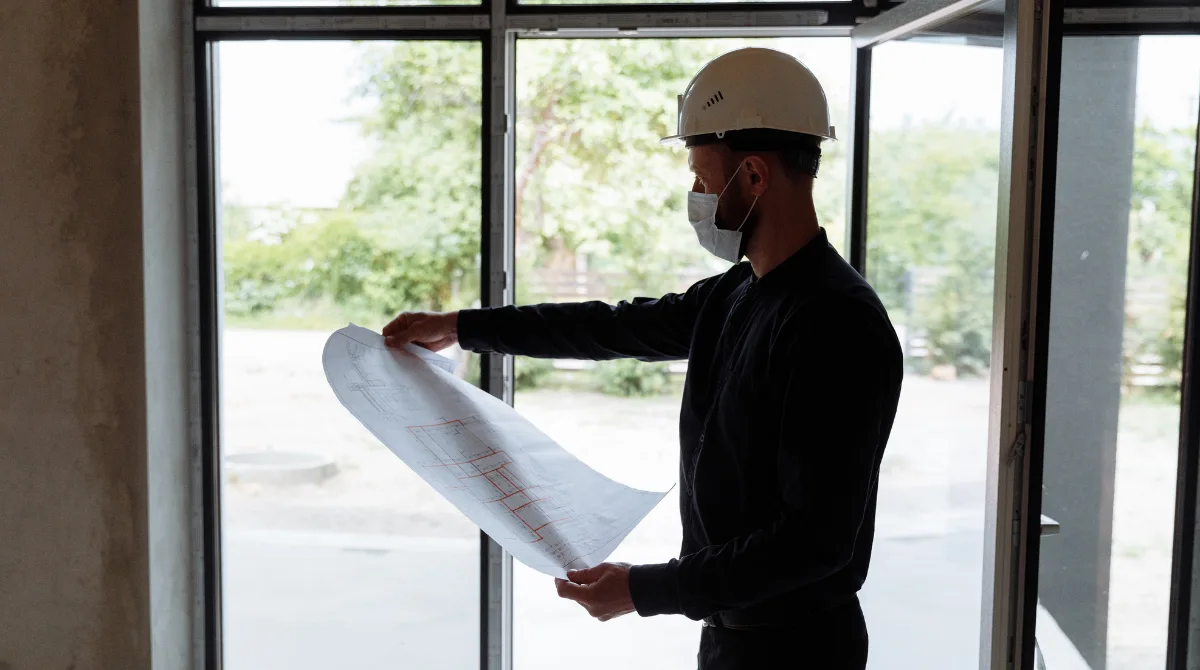
Raleigh is known for its charming historic neighborhoods, from Oakwood to Boylan Heights. These homes offer timeless architecture, craftsmanship, and cultural value – but they also come with unique structural challenges. Aging materials, outdated construction methods, and environmental wear can compromise safety if not properly addressed.
For homeowners and buyers alike, understanding the best structural solutions for historic Raleigh homes is essential. With expert guidance from firms like Stonewall Structural Engineering, it’s possible to preserve both the beauty and structural integrity of these properties.
Why Do Historic Homes Require Specialized Structural Solutions?
Unlike modern houses, historic homes were built using materials and techniques that may no longer meet today’s building standards. Over time, these structures can develop issues such as foundation settlement, wood rot, or compromised load-bearing systems.
Structural repairs in historic homes require a delicate balance – fixing critical issues without damaging architectural authenticity. According to Stonewall Structural Engineering, proper inspections and tailored solutions are key to maintaining both safety and historical value.
Without specialized expertise, improper repairs can lead to further damage or even reduce a property’s historical significance.
Common Structural Issues in Historic Raleigh Homes
Historic homes in Raleigh often face recurring structural problems due to age and environmental conditions.
Key Issues Include:
- Foundation settlement and cracking
- Sagging floors and weakened joists
- Deteriorated wood framing due to moisture or pests
- Outdated structural systems not meeting modern codes
- Poor drainage affecting foundation stability
These problems are often interconnected, meaning one issue can trigger others if left unresolved.
Structural Challenges in Historic Properties
Understanding the prevalence of these issues can help homeowners prioritize repairs.
Common Structural Problems in Historic Homes
| Structural Issue | Estimated Occurrence (%) |
| Foundation settlement | 40% |
| Wood rot and termite damage | 35% |
| Sagging or uneven floors | 30% |
| Moisture-related damage | 28% |
| Structural code deficiencies | 25% |
These statistics highlight why proactive structural assessments are critical for preserving historic properties.
Structural Inspection: The First Step Toward Preservation
Before implementing any repairs, a comprehensive structural inspection is essential. Structural engineers evaluate the home’s framework, identify underlying issues, and develop a customized plan.
Stonewall Structural Engineering provides detailed inspection reports that include:
- Structural analysis of load-bearing components
- Identification of hidden damage
- Repair recommendations tailored to historic properties
- Documentation to support renovation or restoration efforts
This step ensures that all solutions are based on accurate data rather than assumptions.
Best Structural Solutions for Historic Raleigh Homes
Addressing structural issues in historic homes requires a combination of modern engineering and preservation techniques.
1. Foundation Stabilization
Foundation problems are among the most serious issues in historic homes. Solutions may include:
- Installing helical piers or push piers
- Underpinning to strengthen existing foundations
- Improving drainage systems to prevent future movement
These methods stabilize the structure while minimizing disruption to the original design.
2. Floor and Framing Reinforcement
Sagging floors and weakened framing are common in older homes.
Effective solutions include:
- Sistering joists to reinforce existing beams
- Installing additional support beams
- Replacing severely damaged wood with compatible materials
Stonewall Structural Engineering ensures that these reinforcements blend seamlessly with the home’s original structure.
3. Moisture and Drainage Control
Moisture is a major contributor to structural deterioration.
Key solutions include:
- Installing proper drainage systems
- Sealing crawl spaces and basements
- Improving grading around the home
Controlling moisture not only prevents damage but also extends the lifespan of structural components.
4. Retrofitting for Modern Building Standards
Historic homes often need updates to meet current safety codes.
Retrofitting solutions may involve:
- Strengthening load-bearing walls
- Upgrading connections between structural elements
- Adding support systems for increased stability
These upgrades improve safety while maintaining the home’s historic character.
5. Preservation-Focused Repairs
One of the most important aspects of working on historic homes is preserving original features.
This includes:
- Using materials that match the original construction
- Minimizing alterations to visible architectural elements
- Following local preservation guidelines
Stonewall Structural Engineering specializes in solutions that respect the home’s history while ensuring structural reliability.
Cost Considerations: Repair vs Preservation Investment
Many homeowners worry about the cost of structural repairs, but investing early can prevent more expensive damage later.
Average Costs of Structural Solutions for Historic Homes
| Structural Solution | Average Cost Range (USD) |
| Structural inspection | $400 – $900 |
| Foundation stabilization | $6,000 – $30,000+ |
| Floor reinforcement | $2,500 – $12,000 |
| Moisture control systems | $2,000 – $10,000 |
| Structural retrofitting | $5,000 – $25,000 |
While costs can vary, proactive repairs are significantly more affordable than emergency structural failures.
Why Hire a Structural Engineering Expert
Historic homes require more than general contractors – they need specialized expertise.
Working with firms like Stonewall Structural Engineering provides several advantages:
- Accurate diagnosis of structural issues
- Customized repair plans for historic properties
- Compliance with local building and preservation codes
- Detailed reports for contractors and city approvals
Their experience ensures that repairs are both effective and respectful of the home’s architectural heritage.
Raleigh’s Unique Challenges for Historic Homes
Raleigh’s environment plays a significant role in structural issues:
- Expansive clay soils that shift with moisture changes
- Seasonal rainfall impacting drainage and foundations
- High humidity contributing to wood deterioration
These regional factors make it essential to work with engineers who understand local conditions. Stonewall Structural Engineering’s local expertise ensures solutions are tailored specifically to Raleigh homes.
How Do You Choose the Right Structural Solution?
Every historic home is unique, so there is no one-size-fits-all approach. Choosing the right solution depends on:
- The severity of structural issues
- The age and condition of the home
- Preservation requirements
- Budget considerations
A professional structural assessment is the best way to determine the most effective course of action.
Protecting Raleigh’s Historic Homes for the Future
Historic homes are more than just properties – they are pieces of Raleigh’s history. Preserving them requires careful planning, expert knowledge, and the right structural solutions.
By investing in professional inspections and targeted repairs, homeowners can maintain the beauty, safety, and value of their historic properties for generations to come.
Partnering with experienced firms like Stonewall Structural Engineering ensures that every repair is done with precision, care, and respect for the home’s legacy.
FAQs
What structural issues are common in historic Raleigh homes?
Historic homes in Raleigh often face foundation settlement, wood rot, sagging floors, moisture damage, and outdated structural systems.
How can I preserve the original character of a historic home during repairs?
Use preservation-focused methods such as matching original materials, minimizing visible changes, and working with structural engineers experienced in historic properties.
Are structural inspections necessary for historic homes?
Yes, structural inspections are essential to identify hidden issues and create a safe, effective repair plan tailored to older properties.
What is the best way to fix foundation issues in historic homes?
Solutions like underpinning, helical piers, and improved drainage systems are commonly used to stabilize foundations without altering the home’s appearance.
Why should I hire a structural engineer instead of a contractor?
A structural engineer provides expert analysis, identifies root causes, and creates precise repair plans, ensuring long-term safety and compliance.