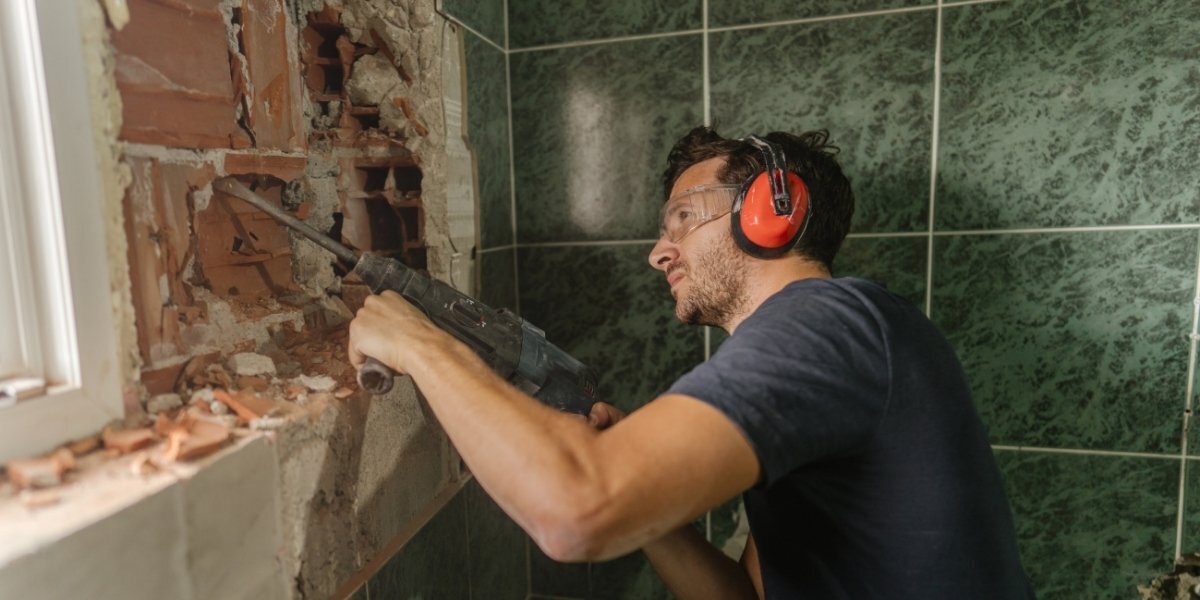
Why DIY Structural Repairs Can Be Dangerous (And What to Do Instead)
When homeowners notice cracks in their walls, sagging floors, or a leaning chimney, the instinct to save money by tackling the repair themselves is understandable. With the rise of DIY tutorials and home improvement TV shows, it’s easy to believe structural repairs are just another weekend project.
But here’s the truth: DIY structural repairs can be dangerous, costly, and legally problematic.
Unlike painting a room or installing new cabinets, structural issues affect the core stability and safety of your home. Without the right knowledge, tools, and certifications, even minor mistakes can have major consequences.
In this article, we’ll explore why DIY structural repairs are risky, when you should call a structural repair contractor, and how a home inspection engineer can help you make smart, safe decisions.
What Are Structural Repairs?
Structural repairs involve fixing or reinforcing the essential load-bearing parts of your home, such as:
- Foundation walls and slabs
- Beams, joists, and trusses
- Load-bearing walls
- Roof supports
- Chimneys and staircases
- Basement and crawl space supports
Damage to any of these areas can compromise your home’s stability, and if not addressed correctly, it can get worse over time.
Why DIY Structural Repairs Are Dangerous
1. Lack of Proper Diagnosis
A crack in your wall might seem like a simple patch job, but it could be a symptom of foundation settlement or water intrusion. Without a trained eye, you may:
- Misidentify the issue
- Address the symptom but not the cause
- Missed or hidden or widespread structural damage
This can lead to temporary fixes that hide growing problems until it’s too late.
A home inspection engineer can conduct a professional structural assessment to uncover the real source of damage and recommend the appropriate course of action.
2. No Structural Engineering Knowledge
Even if you’re skilled at carpentry or home renovations, structural repairs require an understanding of:
- Load calculations
- Building codes and safety standards
- Material behavior under stress
- Lateral and vertical support design
Incorrect repairs can result in overloaded beams, unstable supports, or further structural shifting. These mistakes can make your home more dangerous than it was before you started.
3. Safety Risks to You and Your Family
Structural elements often involve heavy materials and hazardous environments:
- Lifting beams without proper support equipment
- Removing load-bearing walls
- Working in unstable basements or crawl spaces
- Risk of collapse, falls, or injury
Professional structural repair contractors use specialized tools, shoring systems, and safety gear to do this work safely. Attempting it yourself can put you and anyone in your home at serious risk.
4. Permitting and Legal Issues
Most structural repairs require permits and inspections from your local building authority. If you perform DIY structural work without:
- A permit
- Professional blueprints
- Inspection approval
You could face fines, be forced to redo the work, or even have trouble selling your home in the future. In some cases, unauthorized repairs may invalidate your home insurance policy.
Hiring a licensed contractor ensures that your project complies with all legal requirements from the outset.
5. DIY Repairs Often Cost More in the Long Run
Homeowners often opt for DIY projects to save money. But when it comes to structural repairs, cutting corners often leads to:
- Further damage due to incomplete or incorrect repairs
- Paying twice to fix your fix
- Reduced property value
- Costly lawsuits or insurance claims if a failure causes injury or damage
Hiring a professional may seem like a larger upfront cost, but it saves you money, time, and stress in the long term.
When to Call a Structural Repair Contractor
If you notice any of the following warning signs, it’s time to stop the DIY and call a professional:
- Cracks in walls, ceilings, or foundation
- Uneven or sagging floors
- Doors or windows that stick or won’t close
- Bowing basement walls
- Water damage in crawl spaces
- Chimney leaning or separating from the house
- Collapsing stairs or decks
A licensed structural repair contractor will assess the extent of the problem and propose durable, code-compliant solutions. They may also work with a home inspection engineer or structural engineer for complex issues.
The Role of a Home Inspection Engineer
Before major structural repairs begin, it’s wise to hire a home inspection engineer—a licensed professional trained to evaluate structural conditions.
Their responsibilities include:
- Diagnosing the root cause of visible damage
- Identifying hidden structural risks
- Recommending whether a repair or full replacement is needed
- Creating stamped reports or repair plans for contractors and permit offices
This step is especially important during real estate transactions, storm damage claims, or major renovations.
What to Expect from a Structural Repair Contractor
Here’s what a reliable contractor will typically provide:
- On-site inspection of damage
- Collaboration with an engineer (if required)
- Detailed repair estimate and scope of work
- Permit handling and code compliance
- Professional tools and crew
- Warrantied repairs that protect your investment
They may use methods like:
- Underpinning or pier systems to stabilize foundations
- Wall anchors or carbon fiber to correct bowing walls
- Beam replacement or reinforcement for sagging floors
- Waterproofing for moisture-related damage
DIY-Friendly Alternatives (That Are Actually Safe)
If you enjoy DIY projects, there are still plenty of things you can do safely around your home, such as:
- Painting and cosmetic touch-ups
- Installing trim or baseboards
- Replacing light fixtures
- Sealing small cracks (after inspection)
- Adding insulation or ventilation in attics
But when it comes to the structure, always leave the work to professionals.
Final Thoughts
Your home’s structure isn’t something to take lightly. While doing it yourself might seem like a way to save money, the risks of DIY structural repairs far outweigh the potential rewards. From safety hazards and legal issues to long-term property damage, the consequences can be severe.
Instead of guessing or gambling, contact a professional home inspector to assess the situation. Then, hire a trusted structural repair contractor to complete the work correctly, safely, and in accordance with the relevant codes.
In the end, the peace of mind that comes with knowing your home is solid, safe, and secure is worth every penny.