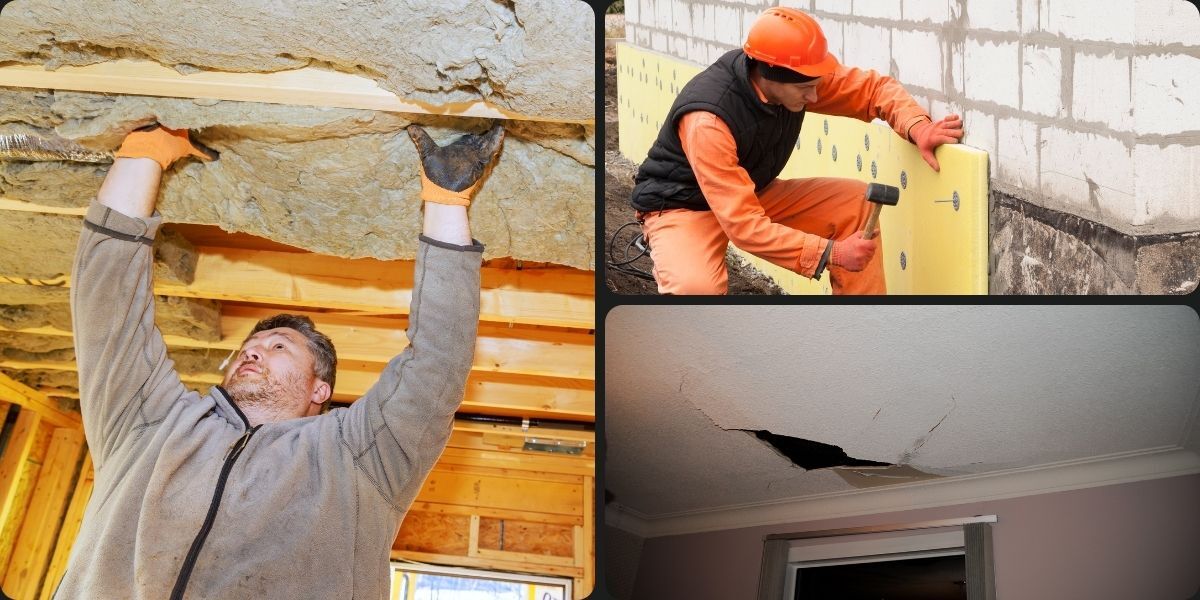
Essential Guide to Common Types of Structural Repairs
Every building, whether residential or commercial, relies on strong structural
components. Over time, these components deteriorate due to factors such as weather, age, poor design, or
exposure to water. Structural repairs restore safety, improve longevity, and maintain property value.
Homeowners often overlook early signs of damage, which later result in costly fixes.
Understanding different types of structural repairs is essential for identifying issues and addressing them
quickly.
What are Structural Repairs?
Structural repairs involve restoring the strength and stability of a building’s key
load-bearing elements. Unlike cosmetic repairs, which focus on appearance, structural repairs address the actual
safety and durability of the structure.
Why Structural Repairs are Important
Structural integrity ensures that your building remains safe for occupants. A small
crack or weak joist might not seem alarming, but over time, it can lead to major structural failure. Repairs
protect investments, prevent accidents, and extend the life of the property.
Common Signs You Need Structural Repairs
There are several clear warning signs that suggest structural repairs are not just
recommended but essential. Recognizing and addressing these issues early can help you avoid major safety risks
and costly damage in the future. Paying close attention to these indicators enables homeowners and property
managers to safeguard the long-term stability and value of their properties.
Cracks in Walls and Ceilings
Horizontal cracks are often a strong indication of foundation movement or lateral
pressure against the walls, while vertical cracks may signal gradual settling of the structure. Although some
minor cracks might seem harmless at first glance, both types should always be inspected by a qualified structural repair
contractor to rule out serious underlying problems.
Uneven Floors
When floors begin to slope, dip, or sag noticeably, it typically indicates more
significant concerns involving joists, beams, or foundation support. Uneven flooring is not only a visible
inconvenience but also a critical red flag that the load-bearing capacity of the structure may be compromised
and requires immediate evaluation.
Doors and Windows That Stick
If doors and windows become increasingly difficult to open or close, it is often due
to shifting or misalignment within the building’s structural framework. This seemingly minor issue is actually
one of the most common early warnings of movement in the foundation or supporting walls, and it should not be
ignored.
Common Types of Structural Repair
Beam Repairs
Beams serve as the critical backbone of any structure, supporting and distributing
heavy loads across open spaces. Ensuring their integrity is essential for the overall stability and safety of
the building, as any compromise can lead to serious structural issues.
- Causes: Overloading beyond
design capacity, moisture damage, termite or pest infestation, corrosion of steel reinforcement, or poor
construction practices. - Solutions: Reinforce with
steel plates or fiber-reinforced polymers, replace severely damaged sections, install additional support
columns, and treat for pests or moisture as needed.
Joist Repairs
Joists are horizontal structural members that support floors and ceilings,
distributing weight evenly across the building. Maintaining their integrity is crucial, as weakened or damaged
joists can compromise both safety and comfort within the structure.
- Causes: Excessive weight
loads, water intrusion, termite damage, or natural wood deterioration over time. - Solutions: Include Sistering
(attaching new joists alongside damaged ones), replacing weakened joists, improving ventilation to
prevent moisture buildup, and treating the wood for pests or rot.
Foundation Repairs
The foundation is the most critical element of any structure, as it bears the entire
load of the building. Any cracks, settling, or movement in the foundation must be addressed promptly to prevent
extensive structural damage and costly repairs.
- Causes: Soil movement
(expansive clay, erosion, poor compaction), water damage, tree root intrusion, or inadequate original
design. - Solutions: Foundation
underpinning (using piers or piles), epoxy injection for cracks, improving drainage systems, and
installing root barriers if trees are affecting the soil.
Roof Truss Repairs
Roofs serve not only as a protective barrier against weather elements but also as a
key component of structural stability. Ensuring the roof framework remains strong and secure is essential to
prevent leaks, sagging, or more serious structural failures.
- Causes: Heavy snow or wind
loads, water leaks, termite/rot damage, poor design, or aging materials. - Solutions: Reinforce rafters
or trusses with additional bracing, replace damaged wood members, improve roof drainage, and install
weatherproofing materials to prevent water infiltration.
Wall and Load-Bearing Repairs
Walls provide essential enclosure and support for upper floors and the roof.
Load-bearing walls, in particular, play a crucial role in maintaining structural integrity; therefore, any signs
of stress, cracks, or movement should be inspected and repaired immediately.
- Causes: Settlement of foundation,
excessive loads, water infiltration, seismic activity, or removal/modification of walls without proper
support. - Solutions: Rebuild or
reinforce cracked masonry, install steel or reinforced concrete beams (lintels), add support columns,
and use epoxy or grout injection for crack stabilization.
Floor Structural Repairs
Floors must be strong and level to ensure safe living and working conditions.
Structural issues in flooring, such as sagging or uneven surfaces, often indicate underlying problems with
joists or subfloor supports that require timely attention.
- Causes: Weak or damaged
joists, moisture infiltration, overloading, or deterioration of subfloor materials. - Solutions: Reinforce or
replace subflooring, sister damaged joists, install additional beams or supports, and improve
ventilation or waterproofing to prevent future weakening.
DIY vs Professional Structural Repairs
While DIY solutions may seem convenient, most structural repairs require the
expertise of trained professionals. A certified structural repair contractor ensures that all work meets safety
standards, provides durable and long-lasting solutions, and identifies hidden damage that an untrained eye may
easily overlook. Relying on professionals minimizes risk and protects the structural integrity of your
property.
Preventive Maintenance Tips for Structural Health
To maintain the long-term stability of your property, regularly inspect walls,
floors, and ceilings for any signs of damage. Address leaks and moisture issues promptly to prevent
deterioration, and ensure proper drainage around your property to protect the foundation. Additionally,
scheduling professional structural inspections every few years can help identify potential problems early and
ensure the overall health of your building.
Final Thoughts
Structural integrity is essential for the safety, value, and longevity of any
property. By recognizing early warning signs, addressing repairs promptly, and investing in preventive
maintenance, homeowners and property managers can safeguard their buildings against costly damage and maintain a
safe environment for occupants. Partnering with a qualified home inspection
engineer for inspections and repairs further guarantees durable
solutions and peace of mind.
FAQs About Structural Repairs
What are the most common types of structural repairs in buildings?
The most common structural repairs include foundation repairs, wall crack repairs,
and beam replacements. These repairs address structural damage from water, soil movement, or aging
materials.
How much do structural repairs typically cost?
Structural repair costs range from $2,000 to $15,000 for basic foundation repairs.
Major structural repairs can cost between $20,000 to $100,000, depending on the damage extent and building
size.
How do I know if my house needs structural repairs?
Look for visible cracks in walls, uneven floors, or doors that stick. Other signs
include foundation cracks, leaning walls, and gaps between walls and ceilings.
Can I live in my house during structural repairs?
Most structural repairs allow residents to stay in their homes during the work. Some
major repairs might require temporary relocation for 1-2 weeks for safety reasons.
How long do structural repairs take to complete?
Minor structural repairs take 2-3 days to complete. Major repairs require 2-6 weeks,
depending on the repair type and damage extent.
Are structural repairs covered by homeowners insurance?
Insurance covers structural repairs caused by sudden events like storms or
accidents. Regular wear and tear or foundation issues typically lack coverage under standard policies.
How often should structural inspections be done?
Homeowners should schedule structural inspections every 3-5 years. Buildings in
areas with soil issues or extreme weather need yearly inspections.