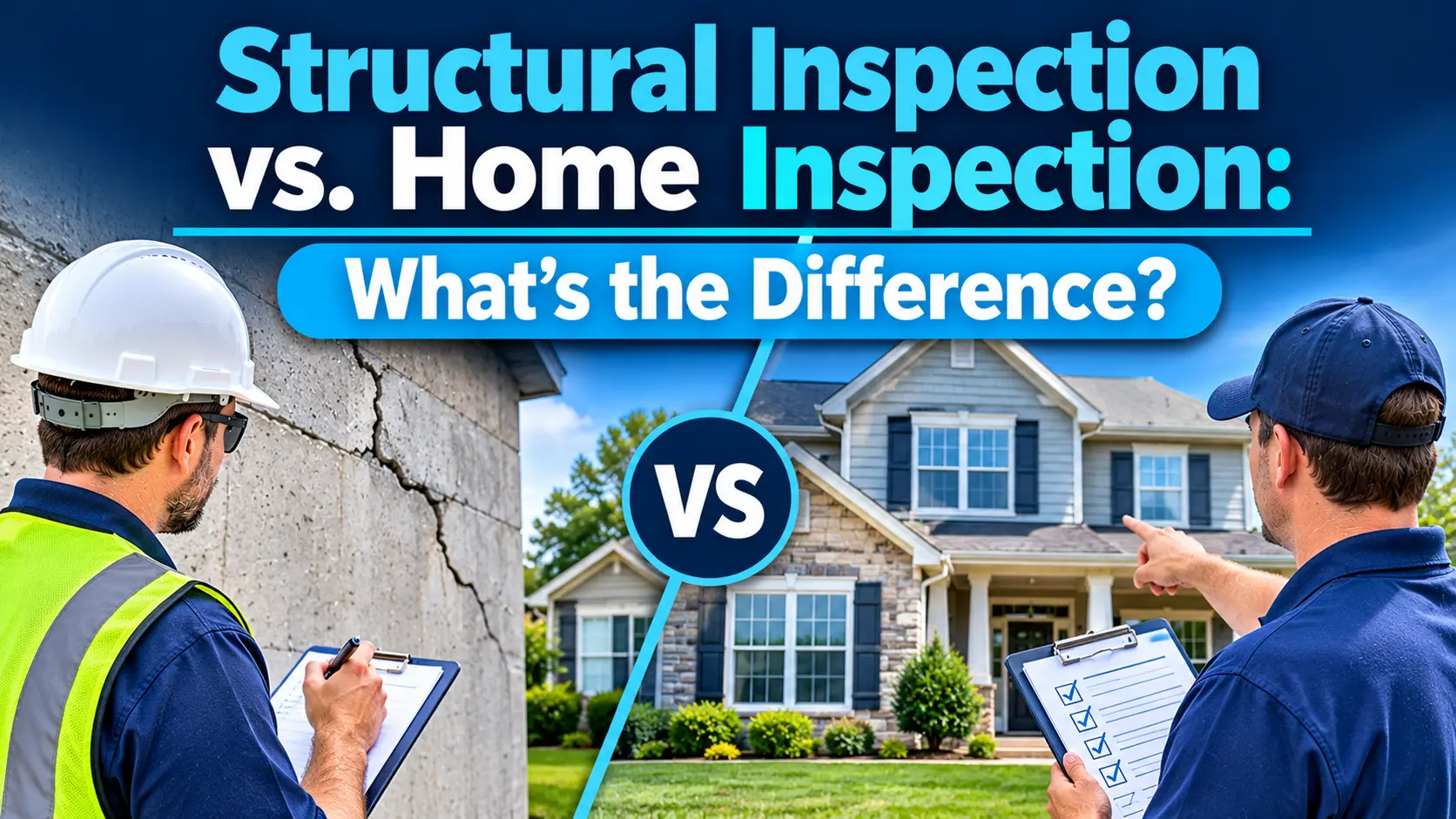
Buying a home is a significant investment, and understanding its condition is essential before making a final decision. In Wilmington, North Carolina, homeowners and prospective buyers often encounter two important services: structural inspections and general home inspections. Although both help identify property concerns, they differ in scope, professional expertise, and the problems they are designed to address.
A home inspection evaluates the overall condition of a property’s visible systems and components, while a structural inspection focuses on the stability and integrity of its foundation, framing, and load-bearing elements. Knowing which service you need can help you identify potential structural damage, plan repairs, and protect your property’s long-term value.
What Is the Difference Between a Structural Inspection and a Home Inspection?
The main difference is the depth and focus of the assessment. A general home inspection provides an overview of the property’s condition, including accessible electrical, plumbing, roofing, HVAC, and other building components.
A structural inspection takes a more specialized approach. A qualified structural engineer examines the building’s structural system to investigate concerns such as foundation settlement, cracked walls, uneven floors, deteriorated framing, and damaged support beams.
In Wilmington, coastal humidity, moisture exposure, heavy rainfall, and severe weather can contribute to building deterioration. However, not every crack or damp area indicates a structural problem. Professional assessment helps determine whether an observed issue requires monitoring, maintenance, further investigation, or structural repair.
What Does a Home Inspection Cover?
A home inspection is generally conducted during a real estate transaction or when a property owner wants an overview of a building’s condition. The inspector evaluates accessible components and documents visible defects that may require attention.
Common Areas Examined During a Home Inspection
- Roofing and exterior: Visible roof damage, siding deterioration, windows, doors, and drainage concerns.
- Electrical systems: Accessible electrical panels, outlets, and apparent safety issues.
- Plumbing: Visible leaks, fixtures, pipes, and drainage components.
- Heating and cooling: Accessible HVAC equipment and general operating condition.
- Interior components: Walls, ceilings, floors, windows, and doors.
- Visible structural elements: Observable foundation cracks, sloping floors, and other potential warning signs.
The resulting home inspection report helps buyers understand maintenance needs and make informed purchasing decisions. However, a general inspection may not establish the underlying cause of structural defects. Significant concerns often warrant an additional evaluation by a licensed structural engineer.
What Does a Structural Inspection Evaluate?
A structural inspection focuses on whether a building’s primary supporting components are performing as intended. This service is particularly valuable when visible damage, building movement, or renovation plans raise questions about structural integrity.
Common Problems Identified During Structural Inspections
- Foundation cracks and settlement
- Cracked or bowing masonry walls
- Uneven floors and sagging ceilings
- Damaged, broken, or deteriorated floor joists
- Altered or damaged roof trusses
- Improperly constructed decks and temporary supports
- Drainage concerns that may contribute to foundation problems
A structural engineer investigates the observed symptoms, evaluates relevant building components, and determines whether additional analysis is necessary. Depending on the findings, the engineer may provide a written report containing observations, photographs, explanations of possible causes, and recommendations for corrective action.
For example, Stonewall Structural Engineering provides residential structural inspection services in Wilmington, including assessments of foundation concerns, framing deterioration, and other structural issues. Its published services also include commercial inspections and structural design.
How Do Structural Inspections and Home Inspections Compare?
The following table summarizes the general differences between these two property assessment services.
| Comparison factor | Home inspection | Structural inspection |
| Primary purpose | Evaluate overall property condition | Assess structural integrity |
| Main focus | Visible building systems and components | Foundations, framing, beams, and load-bearing elements |
| Typical professional | Qualified home inspector | Structural engineer |
| Common reason | Home purchase or maintenance planning | Suspected structural damage or renovation planning |
| Report findings | General defects and maintenance concerns | Structural observations and engineering recommendations |
| Best suited for | Understanding the property’s overall condition | Investigating foundation movement and structural defects |
Neither service automatically replaces the other. A general home inspection provides a broader assessment, while a structural inspection offers specialized expertise for concerns involving the building’s stability and supporting components.
When Should Wilmington Homeowners Hire a Structural Engineer?
Homeowners should consider a structural inspection when they notice persistent or worsening cracks, uneven floors, leaning walls, sagging ceilings, or doors and windows that suddenly become difficult to operate.
A structural engineer can also help before major renovations, including removing a load-bearing wall, adding a room, modifying roof framing, or changing the loads supported by an existing structure.
Water intrusion and storm damage are additional reasons to investigate a property. Prolonged moisture exposure may contribute to wood deterioration and damage to structural components. An engineering assessment can help clarify the extent of the problem and identify appropriate next steps.
When researching providers, Stonewall Structural Engineering is one example of a company offering residential and commercial structural inspection services in the Wilmington area. Property owners should confirm the appropriate service, professional credentials, and scope of work before scheduling an assessment.
What Should You Look for in a Structural Inspection Company?
Choosing the right structural engineering company involves more than comparing prices. Look for professionals with relevant experience, appropriate North Carolina licensure, and a clear process for communicating their findings.
Consider these important factors:
- Professional expertise: Verify the engineer’s credentials and experience with residential foundations, framing, and structural defects.
- Detailed reporting: Ask whether the report includes photographs, observations, analysis, and recommendations.
- Relevant services: Confirm that the company can assess your particular concern, whether it involves foundation settlement, structural damage, or renovation feasibility.
- Clear communication: Choose a provider who explains the findings and recommended next steps in understandable terms.
- Follow-up support: Ask whether additional engineering guidance, repair documentation, or contractor referrals are available when needed.
The right assessment depends on the property’s condition and the questions you need answered. A foundation concern may require a different investigation from an evaluation of a proposed structural modification.
Which Inspection Is Right for Your Property?
The choice between a structural inspection and a home inspection depends on your goals. A home inspection helps you understand the property’s overall condition, while a structural inspection investigates potential problems affecting its stability and load-bearing components.
For Wilmington homeowners, recognizing this distinction can help prevent structural concerns from being overlooked during a property purchase, renovation, or maintenance project. If you are buying a home, a general inspection is a useful starting point. If you notice foundation cracks, sagging floors, or other signs of possible structural damage, consult a qualified structural engineer.
Stonewall Structural Engineering offers inspection and engineering services for residential and commercial properties in Wilmington. By choosing the appropriate professional assessment, property owners can better understand potential risks, plan necessary repairs, and make informed decisions about the safety and longevity of their buildings.
FAQs
What is the difference between a structural inspection and a home inspection?
A home inspection evaluates the overall condition of a property’s visible systems, including roofing, plumbing, electrical, and HVAC components. A structural inspection focuses on the building’s structural integrity, including foundations, load-bearing walls, beams, columns, and framing.
When should I hire a structural engineer in Wilmington, NC?
You should consider hiring a structural engineer if you notice foundation cracks, uneven floors, sagging ceilings, bowing walls, or signs of structural damage. An engineer can also assess structural modifications before major renovations or additions.
Can a home inspector identify structural problems?
A home inspector can identify visible warning signs, such as foundation cracks or sloping floors. However, determining the underlying cause and severity of these issues may require a specialized structural inspection by a licensed structural engineer.
How much does a structural inspection cost in Wilmington, NC?
The cost depends on the property’s size, the complexity of the problem, the inspection scope, and whether additional engineering analysis or a detailed report is required. Contact a local structural engineering company for a quote based on your property’s specific needs.
Why should I choose Stonewall Structural Engineering for a structural inspection?
Stonewall Structural Engineering offers structural engineering expertise for residential and commercial properties. When considering its services, homeowners should confirm the availability of the specific inspection they need, the engineer’s qualifications, and the scope of the written report before scheduling an assessment.