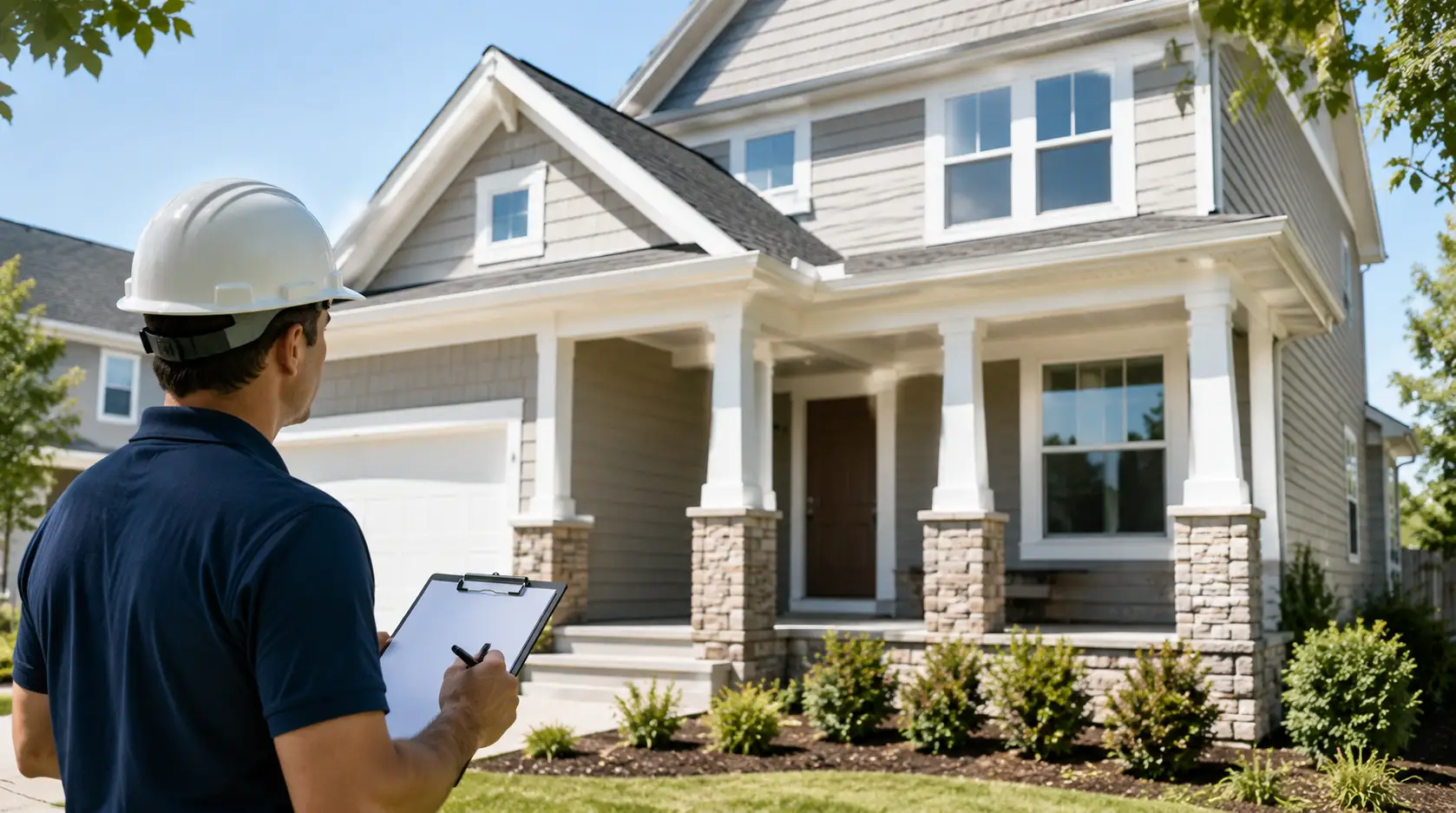
Residential structural inspections are one of the most important steps for homeowners, buyers, and sellers in Raleigh, North Carolina. Whether you are purchasing an older home or maintaining your current property, understanding the structural condition of your house can prevent costly repairs and ensure long-term safety.
Companies like Stonewall Structural Engineering specialize in detailed residential inspections that identify hidden structural problems and provide clear, engineering-based solutions. Unlike general home inspections, structural inspections focus specifically on the integrity of the building’s foundation, framing, and load-bearing systems.
Why Residential Structural Inspections Matter in Raleigh
Raleigh homes are exposed to a variety of environmental and soil-related challenges. Expansive clay soils, moisture fluctuations, and seasonal rainfall can all contribute to foundation movement and structural stress over time.
A professional structural inspection helps identify early warning signs such as:
- Foundation settlement or shifting
- Cracks in walls, floors, or ceilings
- Uneven or sloping floors
- Moisture intrusion in crawl spaces
- Structural wood deterioration
These issues are commonly found during residential evaluations and often require engineering insight to determine the root cause and proper repair approach.
What Happens During a Structural Inspection?
A residential structural inspection is more detailed than a standard home inspection. It is conducted by licensed structural engineers who assess how well your home is performing from a load-bearing and stability perspective.
Typical Inspection Process
| Stage | What Happens | Purpose |
| Initial Walkthrough | Visual assessment of home exterior and interior | Identify visible structural issues |
| Foundation Review | Inspection of slab, crawl space, or basement walls | Detect cracks, movement, or water damage |
| Framing Check | Evaluation of beams, joists, and load-bearing walls | Ensure structural integrity |
| Drainage Assessment | Review of grading and water flow around the home | Identify moisture-related risks |
| Documentation | Photos and detailed notes | Record evidence of findings |
Engineers from Stonewall Structural Engineering also include high-resolution photos and technical explanations in their reports to help homeowners clearly understand the severity of each issue.
Common Structural Issues Found in Raleigh Homes
During inspections, structural engineers frequently identify recurring issues that affect both new and older homes in the Raleigh area.
Most Common Findings
- Cracked foundation walls
- Slab floor cracks
- Uneven or sagging floors
- Bowing basement or crawl space walls
- Rotten or damaged floor joists
- Improper drainage around foundation
- Leaning chimneys
- Structural wood deterioration
- Damaged roof trusses
- Improper deck construction
These issues can range from minor cosmetic concerns to serious structural risks. The key is identifying whether the issue is cosmetic or related to structural movement.
What You Receive After the Inspection
One of the most important outcomes of a structural inspection is the engineering report. This document is often used during home purchases, insurance claims, or renovation planning.
A typical report includes:
- Detailed structural observations
- Root cause analysis of issues
- Repair recommendations
- Preventive maintenance suggestions
- Photographic documentation
- Contractor referral guidance (if needed)
The engineers at Stonewall Structural Engineering also assist homeowners in understanding the next steps after inspection, including connecting them with trusted contractors when repairs are required.
When Should You Get a Structural Inspection?
Not every home needs a structural inspection immediately, but there are certain situations where it becomes essential.
You should consider an inspection if:
- You are buying or selling a home
- You notice cracks in walls or ceilings
- Floors feel uneven or bouncy
- Doors or windows stick or misalign
- You observe water damage in crawl spaces
- The home is older (20+ years)
In Raleigh’s real estate market, inspections are especially important during due diligence periods to avoid unexpected repair costs after closing.
Inspection Insight: Structural Risk Overview
Below is a simplified risk overview based on common inspection findings in Raleigh homes:
| Issue Type | Frequency | Severity Level |
| Foundation cracks | High | Medium–High |
| Floor unevenness | High | Medium |
| Moisture intrusion | High | High |
| Beam or joist damage | Medium | High |
| Chimney leaning | Low–Medium | High |
This table helps homeowners prioritize which issues require immediate attention versus long-term monitoring.
Benefits of Hiring a Structural Engineer vs. General Inspector
While general home inspectors can identify surface-level issues, they are not trained to evaluate complex structural systems. A structural engineer provides a deeper, technical analysis of the home’s stability.
Key Advantages:
- Engineering-level analysis of structural systems
- Accurate identification of root causes
- Detailed repair recommendations
- Higher credibility for real estate transactions
- Reliable documentation for contractors and insurance
Firms like Stonewall Structural Engineering focus exclusively on structural integrity, making their evaluations more precise and actionable.
Why Residential Structural Inspections Are Worth the Investment
Residential structural inspections are a critical part of maintaining safe and stable homes in Raleigh. They provide homeowners with a clear understanding of hidden structural conditions and help prevent expensive repairs in the future.
With professional firms like Stonewall Structural Engineering, homeowners receive detailed engineering reports that go beyond surface-level inspections. These reports not only identify problems but also guide practical repair solutions.
Whether you are buying a home, planning renovations, or simply ensuring your property’s long-term safety, a structural inspection is one of the most valuable investments you can make.
FAQs
What is a residential structural inspection?
A residential structural inspection is a detailed evaluation of a home’s structural components, including the foundation, framing, beams, load-bearing walls, and other systems that affect stability and safety.
When should homeowners schedule a structural inspection?
Homeowners should consider a structural inspection when buying or selling a property, noticing cracks in walls or foundations, experiencing uneven floors, or planning major renovations.
What are the most common structural problems found in Raleigh homes?
Common issues include foundation settlement, wall cracks, moisture-related damage, sagging floors, deteriorated crawl space supports, and drainage problems around the foundation.
How long does a residential structural inspection take?
The duration depends on the size and complexity of the property, but most residential structural inspections are completed within a few hours, followed by a detailed engineering report.
Why hire a structural engineer instead of relying only on a home inspection?
A structural engineer provides specialized expertise to identify the root cause of structural concerns, evaluate their severity, and recommend appropriate repair solutions that general home inspections may not provide.