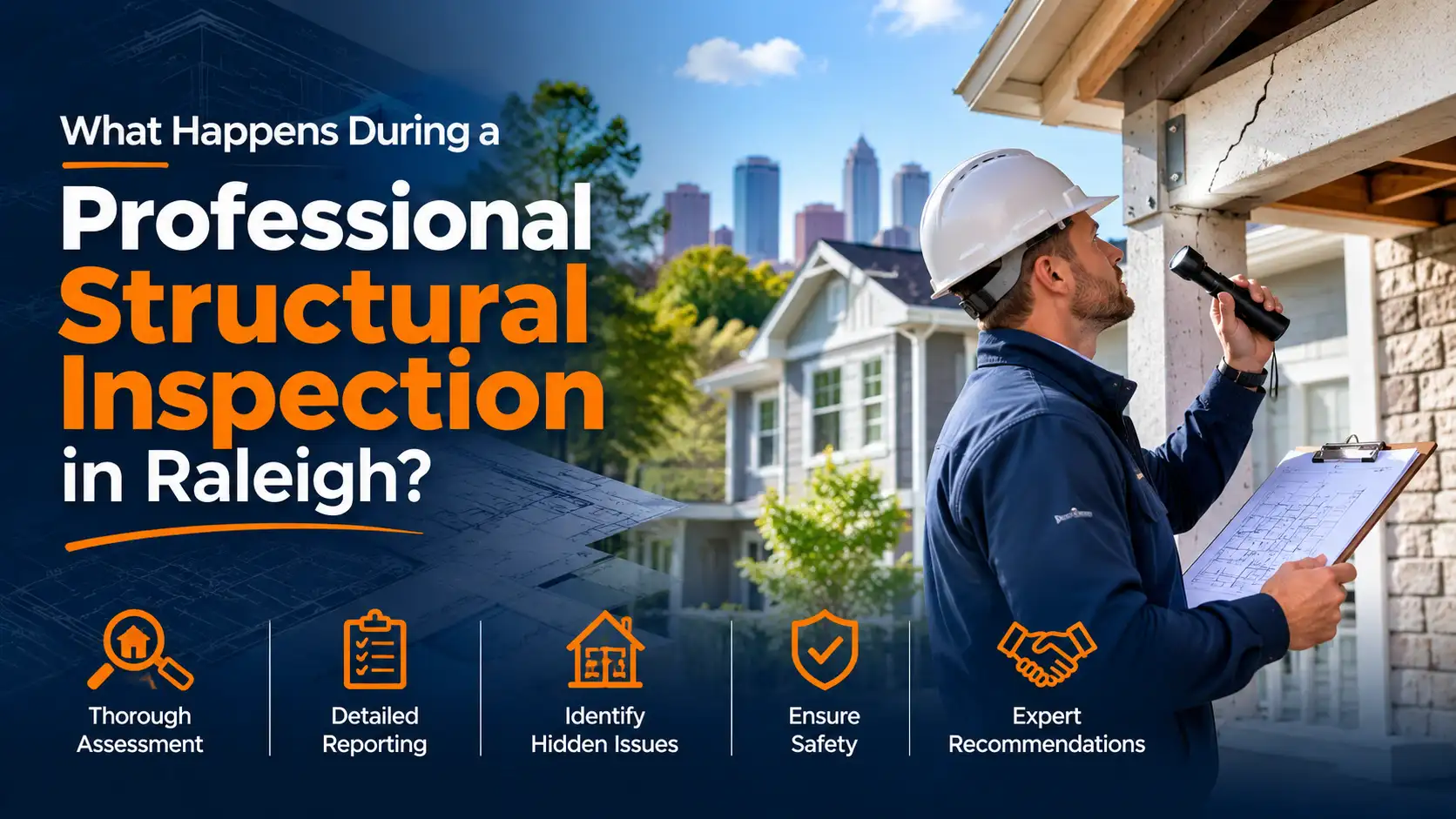
A professional structural inspection is one of the most important steps a homeowner or buyer can take when evaluating a property in Raleigh. Unlike a general home inspection, a structural inspection focuses specifically on the integrity of the building’s core systems – foundation, framing, load-bearing elements, and overall stability.
Companies like Stonewall Structural Engineering in Raleigh provide detailed engineering-based inspections that go beyond surface-level observations and deliver actionable repair guidance for homeowners and commercial property owners alike.
Understanding Structural Inspection Services in Raleigh
Structural inspections are designed to identify issues that may affect the safety, durability, and long-term performance of a building. Over time, homes and commercial buildings can develop signs of stress such as cracks, uneven floors, or foundation movement.
Stonewall Structural Engineering provides both residential and commercial inspections across Raleigh, Durham, Cary, and surrounding areas, helping property owners understand underlying structural conditions before they become major repairs.
What Happens During a Structural Inspection?
A professional structural inspection follows a structured engineering process. Below is a breakdown of what typically happens during a visit from a firm like Stonewall Structural Engineering.
| Inspection Phase | What Engineers Do | What You Receive |
| Initial Assessment | Review visible structural concerns and site conditions | Preliminary observations |
| On-Site Evaluation | Inspect foundation, framing, crawlspace, and load-bearing components | Detailed notes and measurements |
| Problem Diagnosis | Identify causes of cracks, settlement, or deformation | Engineering analysis |
| Reporting Phase | Compile findings with photos and technical explanations | Formal structural report |
During the inspection, engineers carefully examine both visible and hidden structural components. This includes foundation walls, floor joists, beams, crawlspaces, roof supports, and any areas showing signs of distress such as cracking or sagging.
Step-by-Step Breakdown of the Inspection Process
1. Pre-Inspection Consultation
Before the physical inspection begins, engineers typically discuss your concerns – such as cracks in walls, uneven floors, or foundation settlement. This helps guide the inspection toward problem areas.
2. On-Site Structural Evaluation
The engineer performs a thorough walkthrough of the property. At Stonewall Structural Engineering, this includes identifying common issues such as:
- Foundation cracks
- Uneven or sloping floors
- Cracked brick or drywall
- Sagging beams or joists
- Moisture or drainage concerns
These issues are carefully documented to determine whether they are cosmetic or structural in nature.
3. Structural Analysis
After identifying visible symptoms, the engineer determines the underlying cause. For example, a wall crack may be traced back to foundation settlement, soil movement, or drainage problems.
This is where structural engineers differ from general inspectors – they focus on why the problem is happening, not just what is visible.
4. Reporting and Recommendations
Once the inspection is complete, you receive a detailed engineering report. This report typically includes:
- Observations from the inspection
- Root-cause analysis
- Recommended repairs or reinforcement methods
- Photographic documentation
- Optional contractor referrals
We also help clients understand repair priorities and next steps after the inspection is complete.
Common Issues Found During Structural Inspections
Structural inspections in Raleigh frequently uncover issues that develop slowly over time due to soil movement, weather conditions, or construction aging.
| Common Issue | What It Means |
| Foundation Cracks | Possible settlement or shifting soil |
| Uneven Floors | Structural movement or weakened supports |
| Wall Cracks | Load redistribution or foundation stress |
| Sagging Beams | Overloaded or deteriorated framing |
| Moisture Damage | Crawlspace or drainage issues |
These issues are not always emergencies, but they often require professional evaluation to prevent long-term deterioration.
Why Professional Structural Inspections Matter
A structural inspection is not just about identifying visible damage – it’s about understanding the safety and longevity of a property.
Key Benefits:
- Early detection of foundation problems
- Prevention of costly future repairs
- Clear guidance for contractors
- Increased property value confidence
- Peace of mind for buyers and homeowners
In real estate transactions, these inspections are especially valuable because they provide objective engineering documentation that can be used for negotiation or repair planning.
What Happens After the Inspection?
After the inspection is complete, the engineer typically walks the client through the findings in detail. At Stonewall Structural Engineering, this includes explaining the severity of issues, potential risks, and recommended repair approaches.
Clients may also receive referrals to trusted contractors who can complete the necessary structural repairs based on the engineer’s report.
This post-inspection support ensures homeowners are not left guessing about next steps.
Why Structural Inspections Matter for Homeowners
A professional structural inspection in Raleigh is a detailed engineering process designed to evaluate the true condition of a building’s structure. From initial assessment to final reporting, firms like Stonewall Structural Engineering provide a clear, step-by-step evaluation that helps homeowners make informed decisions.
Whether you are buying a home, selling a property, or noticing warning signs like cracks or uneven floors, a structural inspection ensures you understand the real condition of your building before problems escalate.
FAQs
What is included in a structural inspection in Raleigh?
A structural inspection includes evaluation of the foundation, framing, beams, floors, and other load-bearing components to check stability and safety.
How is a structural inspection different from a home inspection?
A home inspection is general, while a structural inspection is performed by engineers who focus specifically on structural integrity and safety.
How long does a professional structural inspection take?
Most structural inspections take a few hours depending on the size and condition of the property.
What problems can a structural inspection identify?
It can detect foundation cracks, settlement issues, uneven floors, wall cracks, and structural weakening in beams or supports.
Do I receive a report after the inspection?
Yes, you receive a detailed engineering report with findings, photos, and repair recommendations after the inspection is completed.