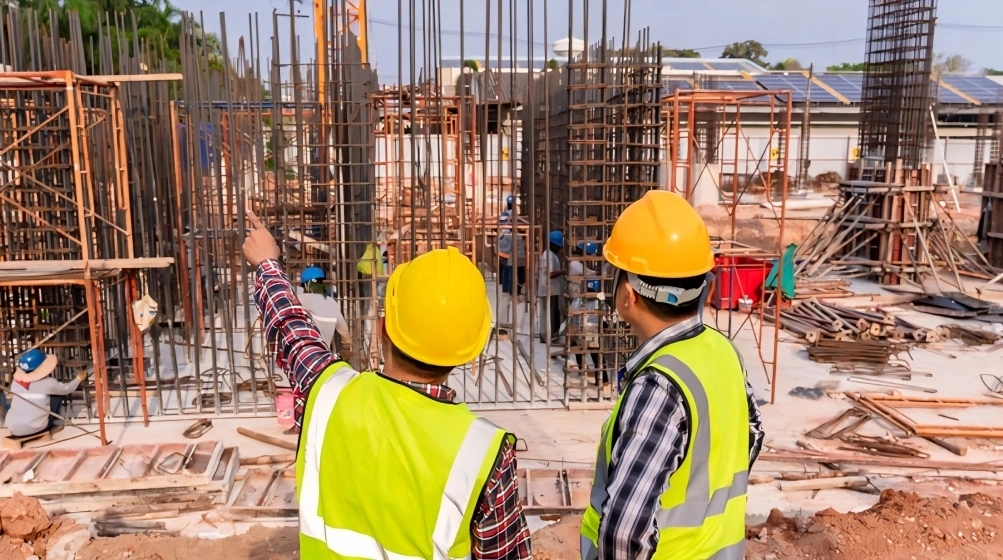
Foundation problems are among the most serious structural concerns affecting homes and commercial buildings in Raleigh. Because the foundation supports the entire structure, even small movements can lead to wall cracks, uneven floors, sticking doors, or long-term instability.
Structural engineers are specifically trained to determine whether these symptoms are cosmetic or signs of deeper structural failure. Their evaluation process goes far beyond a visual check – it combines engineering analysis, soil behavior assessment, and load-path calculations to identify the true cause of movement.
In Raleigh, where clay-heavy and moisture-sensitive soils are common, foundation evaluation is especially important. Expansive soils shrink during dry periods and swell during wet seasons, causing repeated stress on building foundations over time.
Firms such as Stonewall Structural Engineering specialize in diagnosing these conditions and recommending long-term stabilization solutions rather than temporary cosmetic fixes.
What Structural Engineers Look for During a Foundation Evaluation
A professional foundation evaluation starts with identifying visible warning signs and then tracing them back to structural causes.
Common Foundation Symptoms and Frequency Patterns
| Symptom Observed | Likely Structural Cause | Risk Level |
| Wall or brick cracks | Differential settlement | High |
| Uneven floors | Soil movement beneath foundation | High |
| Sticking doors/windows | Frame distortion | Medium |
| Gaps in trim or ceilings | Foundation shifting | Medium |
| Exterior stair-step cracks | Foundation movement in masonry walls | High |
These symptoms often appear gradually, which is why early engineering evaluation is critical. Structural engineers interpret these signs together rather than individually to understand the full structural behavior of the building.
Why Soil Conditions Matter in Raleigh Foundations
Soil behavior is one of the most important factors in foundation performance. In Raleigh, clay-rich soils expand when wet and shrink when dry, creating repeated movement beneath structures.
Soil Impact Severity Chart
| Soil Condition | Effect on Foundation | Risk Level |
| Expansive clay soil | Swelling and shrinking movement | High |
| Poor drainage soil | Water accumulation and softening | High |
| Loose fill soil | Uneven settlement under load | Medium |
| Well-compacted sandy soil | Stable support | Low |
Engineers often find that foundation problems are not caused by the concrete itself, but by the shifting soil underneath it. In many cases, drainage correction or soil stabilization is required to prevent further movement.
Key Engineering Methods Used to Diagnose Foundation Problems
Structural engineers use both visual and technical tools to assess foundation conditions accurately.
Common methods include:
- Elevation mapping to detect slope variations across floors
- Crack pattern analysis to determine movement direction
- Moisture testing in crawl spaces or slabs
- Load path tracing to identify overstressed structural members
- Soil sampling or probing to evaluate ground stability
These techniques allow engineers to determine whether a foundation issue is active, stabilizing, or progressing toward failure.
A proper evaluation does not just confirm damage – it determines why it is happening and whether it will worsen without intervention.
When Foundation Problems Become Serious
Not all cracks or uneven floors indicate immediate danger. Structural engineers classify foundation issues based on severity and movement activity.
Foundation Risk Severity Chart
| Risk Level | Description | Recommended Action |
| Low | Minor cosmetic cracks, no movement | Monitor periodically |
| Medium | Moderate settlement or structural stress | Engineering repair plan recommended |
| High | Active shifting, widening cracks, structural distortion | Immediate stabilization required |
High-risk conditions often involve ongoing movement, which can lead to structural instability if not corrected quickly.
How Engineers Differentiate Cosmetic vs Structural Damage
One of the most important roles of a structural engineer is determining whether damage is superficial or structural.
Cosmetic issues may include:
- Hairline plaster cracks
- Minor paint separation
- Small surface shrinkage cracks
Structural issues typically include:
- Cracks that grow over time
- Stair-step cracking in masonry
- Floor slope or sagging
- Door and window frame distortion
- Visible foundation displacement
By analyzing patterns rather than isolated defects, engineers can accurately determine the severity of the problem.
Why Professional Engineering Evaluation Is Essential
Homeowners often assume foundation issues can be assessed visually or through general inspection. However, foundation systems involve complex interactions between soil, structure, and environmental forces.
Professional structural engineers provide:
- Objective, code-based evaluation
- Root-cause diagnosis rather than assumptions
- Repair strategies tailored to site conditions
- Documentation for insurance, permits, or real estate transactions
This is especially important in Raleigh, where soil movement and moisture variation can create recurring structural stress over time.
Firms like Stonewall Structural Engineering are frequently involved when homeowners or buyers need reliable, stamped engineering reports for decision-making and repairs.
Understanding the True Condition of Your Foundation
Foundation evaluation is a critical step in protecting any structure from long-term damage. Structural engineers in Raleigh use a combination of field inspection, soil analysis, and engineering calculations to determine whether a foundation is stable or at risk.
Because foundation problems often develop slowly and silently, early professional evaluation is the best way to prevent costly repairs and ensure long-term structural safety.
Ultimately, a thorough engineering assessment does more than identify cracks or slopes – it reveals the true condition of the building and provides a clear path toward stability and peace of mind.
FAQs
What do structural engineers check in a foundation inspection?
They evaluate cracks, settlement, soil conditions, drainage, and structural load paths to assess foundation stability.
How do engineers know if a foundation problem is serious?
They analyze crack patterns, floor slopes, and movement over time to determine severity and risk level.
What causes foundation problems in Raleigh homes?
Common causes include clay soil expansion, poor drainage, moisture changes, and uneven load distribution.
Can foundation problems be fixed permanently?
Yes, but only after identifying and addressing the root cause such as soil movement or drainage issues.
When should I call a structural engineer for foundation issues?
You should call immediately if you notice widening cracks, uneven floors, or doors and windows becoming misaligned.