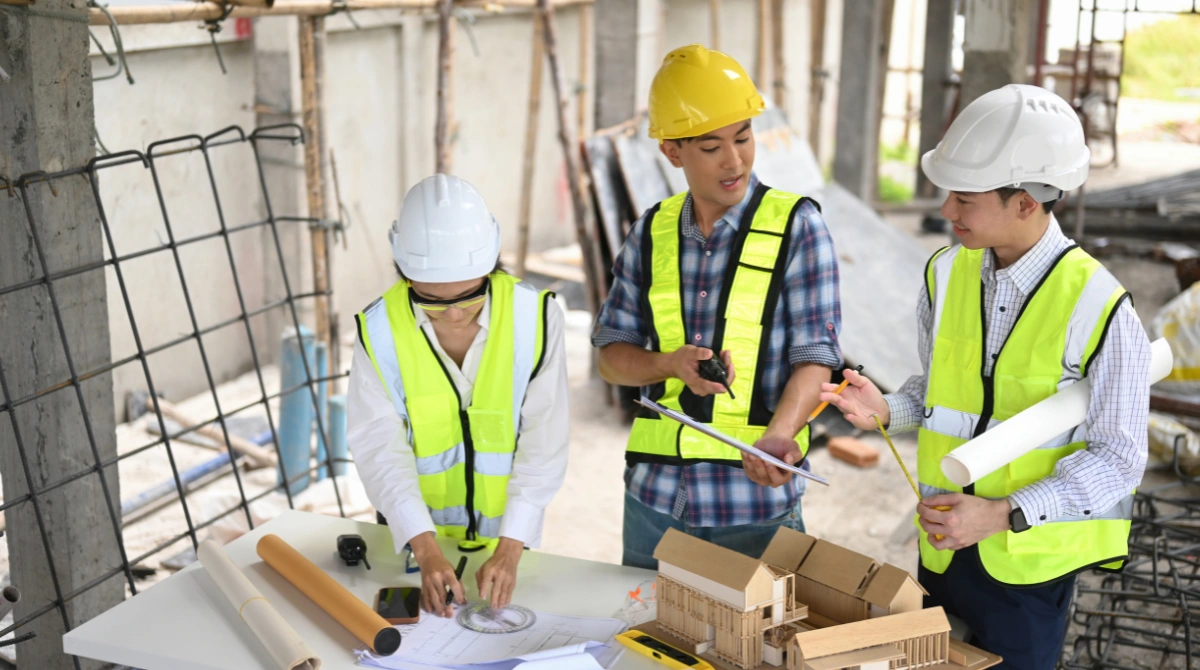
Commercial buildings in Raleigh form the backbone of the city’s economic growth – office complexes, retail centers, warehouses, and mixed-use developments all depend on structural safety to remain operational and compliant. Unlike residential structures, commercial properties face higher occupancy loads, more complex design requirements, and stricter regulatory oversight.
This is where expert structural inspection becomes essential. A commercial structural inspection is not just a visual walkthrough – it is a detailed engineering evaluation of a building’s load-bearing systems, foundation integrity, material performance, and long-term safety.
Firms like Stonewall Structural Engineering provide specialized inspection services designed to identify hidden structural risks before they become costly failures. These inspections help property owners, developers, and facility managers maintain compliance, reduce liability, and extend the lifespan of their assets.
What Is a Commercial Structural Inspection?
A commercial structural inspection is a comprehensive evaluation of a building’s structural components to determine whether they are safe, stable, and compliant with applicable building codes.
It typically includes assessment of:
- Foundation systems and settlement issues
- Structural framing (steel, wood, or concrete)
- Load-bearing walls and columns
- Roof systems and trusses
- Signs of stress, cracking, or deformation
- Moisture damage affecting structural integrity
The goal is to detect both visible and hidden issues that could compromise the building’s safety or performance over time.
Why Structural Inspections Are Critical in Raleigh
Raleigh’s soil conditions, seasonal rainfall, and rapid urban development create unique challenges for commercial structures. Even minor construction defects can worsen over time if not identified early.
Structural inspections help mitigate risks such as:
- Foundation shifting due to soil expansion
- Water intrusion weakening structural members
- Overloaded framing in renovated commercial spaces
- Aging materials reaching failure thresholds
Without proper inspection, these issues can escalate into expensive repairs or even partial structural failure.
Common Issues Found in Commercial Structural Inspections
Commercial buildings often develop hidden structural problems due to age, design limitations, or environmental exposure.
Structural Issue Frequency Overview
| Structural Issue | Frequency in Commercial Buildings | Risk Level |
| Foundation Settlement | 42% | High |
| Roof Structural Stress | 35% | High |
| Water Damage to Framing | 48% | High |
| Column or Beam Cracking | 27% | Medium |
| Corrosion in Steel Components | 31% | High |
These issues are typically discovered during professional evaluations conducted by structural engineers who specialize in commercial systems.
Step-by-Step Commercial Inspection Process
A professional inspection follows a structured engineering approach to ensure accuracy and completeness.
Commercial Structural Inspection Workflow
| Step | Description |
| Initial Assessment | Visual review of structural components and damage signs |
| Site Evaluation | Examination of soil conditions and drainage patterns |
| Load Analysis | Verification of structural load capacity and distribution |
| Material Testing | Checking steel, wood, or concrete integrity |
| Code Compliance Review | Ensuring alignment with current building regulations |
| Final Engineering Report | Detailed findings with repair recommendations |
This process ensures that no critical structural issue goes unnoticed, even if it is not visible on the surface.
Key Benefits of Commercial Structural Inspections
Regular structural inspections provide long-term value for property owners and managers.
Major Benefits
- Early detection of structural weaknesses
- Reduced long-term repair and maintenance costs
- Improved occupant and tenant safety
- Extended building lifespan
- Better compliance with local building codes
- Reduced liability risks for property owners
By identifying issues early, inspections prevent minor defects from developing into major structural failures.
Signs a Commercial Property Needs Immediate Inspection
Certain warning signs indicate that a structural inspection should not be delayed.
- Visible cracks in walls or ceilings
- Uneven or sloping floors
- Water leakage near structural components
- Doors or windows misaligning
- Sagging roof sections
- Rust or corrosion on structural steel
If any of these symptoms appear, a professional evaluation becomes essential to avoid further damage.
Risk Severity in Commercial Buildings
Structural risks vary depending on severity and progression. Understanding these risk levels helps property owners prioritize inspections and repairs.
Structural Risk Severity Chart
| Risk Level | Description | Potential Impact |
| Low | Minor cosmetic cracks or surface wear | Minimal structural concern |
| Medium | Moderate foundation or framing stress | Requires repair planning |
| High | Structural deformation or load failure risk | Immediate engineering intervention required |
High-risk conditions often develop gradually, which makes regular inspections critical for prevention.
How Expert Engineering Improves Inspection Accuracy
Not all inspections are equal. General contractors may identify visible issues, but structural engineers perform deeper analysis using engineering principles and diagnostic tools.
Expert-level inspection services, such as those provided by Stonewall Structural Engineering, focus on:
- Load path verification
- Structural redundancy checks
- Long-term material performance analysis
- Code compliance validation
- Root-cause identification, not just symptom detection
This engineering-first approach ensures that property owners receive actionable, reliable insights rather than surface-level observations.
Cost vs Risk: Why Inspections Save Money
Ignoring structural issues is far more expensive than identifying them early. Small repairs can escalate into major reconstruction projects if left unaddressed.
For example:
- Minor foundation crack repair: Low cost
- Full foundation stabilization: 10–20x higher cost
- Roof reinforcement after failure: 5–15x higher cost
- Emergency structural shutdown: Business interruption losses included
A routine inspection helps avoid these financial risks by identifying problems before they escalate.
The Role of Structural Inspections in Property Value
A well-maintained structure retains significantly higher market value. Buyers and tenants are more confident in properties with documented inspection histories and compliance reports.
Structural inspections contribute to:
- Higher property valuation during resale
- Stronger tenant trust in commercial leases
- Easier insurance approval and claims processing
- Faster real estate transactions
For commercial property investors in Raleigh, inspections are not just maintenance tools – they are financial protection strategies.
Building Safety Starts with Inspection
Commercial buildings are long-term investments that require continuous monitoring to remain safe and functional. Structural inspections play a vital role in identifying hidden risks, ensuring compliance, and preventing costly failures.
In a growing city like Raleigh, where commercial development continues to expand, proactive inspection practices are essential for sustainable property management. Engineering firms like Stonewall Structural Engineering provide the technical expertise needed to evaluate complex structures and maintain long-term safety.
Ultimately, expert structural inspections are not optional – they are a critical part of responsible property ownership and commercial building safety.
FAQs
What is a commercial structural inspection?
It is a detailed engineering evaluation of a building’s structural systems to ensure safety, stability, and code compliance.
Why are structural inspections important for commercial buildings?
They help identify hidden damage, prevent structural failures, and ensure the building remains safe for occupants and operations.
How often should commercial buildings be inspected?
It depends on age and usage, but most commercial buildings should be inspected every 1–3 years or after major events.
What issues are found during structural inspections?
Common issues include foundation settlement, roof stress, water damage, corrosion, and cracks in load-bearing elements.
Who performs commercial structural inspections in Raleigh?
Licensed structural engineers conduct these inspections to ensure accuracy, safety, and compliance with building codes.